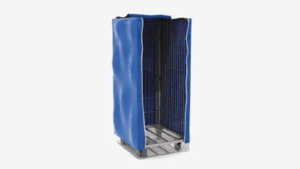
roll container are becoming major players in logistics and materials handling. They are used in a wide range of industries, from distribution to retail and even the medical sector. These mobile platforms simplify the efficient transport of goods from distribution source to point of sale. However, careless handling or incorrect use of this equipment can result in serious personal injury, threatening the health and safety of workers. It is therefore imperative to put in place robust safety measures to prevent incidents and protect people when using roll container. This guide explores how to use a roll container safely, offering recommendations for optimizing efficiency in material handling work environments.
What is a roll container?
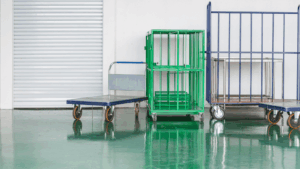
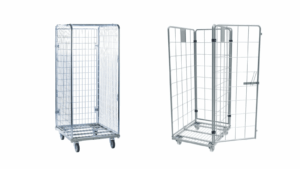
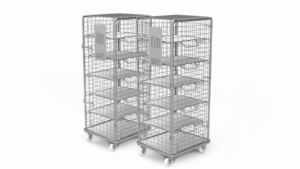
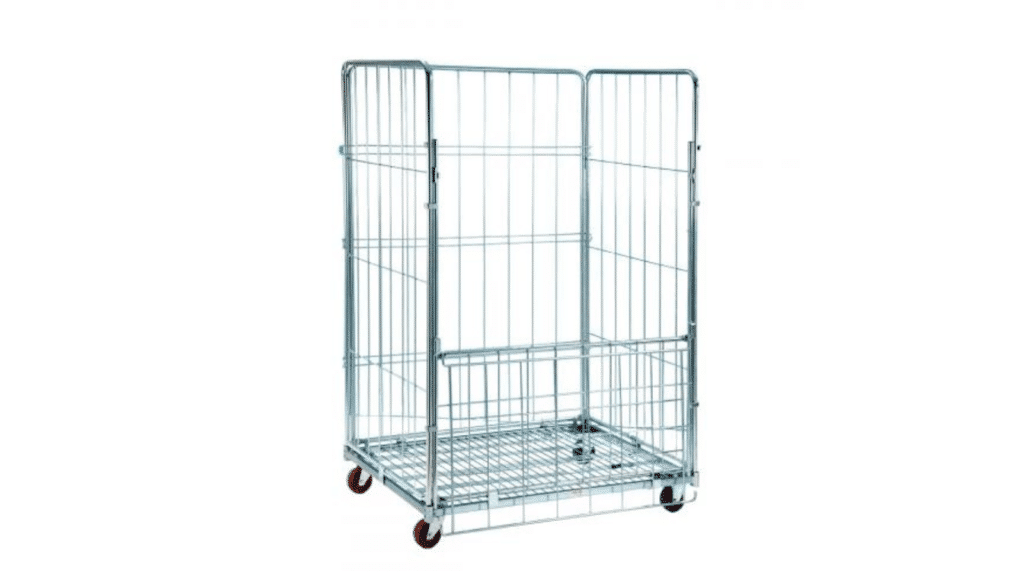
A roll container is a piece of handling equipment widely used in various industrial sectors for moving and storing goods. It generally takes the form of a metal or plastic platform mounted on wheels, often with mesh walls. Roll containers are designed to simplify the transfer of products from one place to another, efficiently and safely.
These versatile tools are used in a multitude of industries for a variety of handling tasks. They are widely deployed in warehouses and distribution centers, ensuring that goods are moved quickly and efficiently. Their function encompasses the transport of products from storage areas to loading and unloading zones, as well as order picking.
In supermarkets and retail outlets, roll container make it easy to replenish shelves with merchandise. They transport products from storage areas or backrooms to sales aisles, simplifying stock management and shelf reorganization. Similarly, these devices are used in the medical field for the safe transport of medical supplies, medicines and equipment in hospitals, clinics and care centers.
Risks associated with the use of roll container
The use of roll container involves various risks, requiring appropriate management to ensure the safety of workers and the preservation of material assets. The main risks include :
- Tipping: Unbalanced loads or obstacles along the way can cause roll container to tip over, resulting in serious injury and material damage.
- Overloading: Exceeding the recommended load capacity can lead to structural failure, increasing the risk of accidents and injury to operators.
- Accidents on the move: Accidents can occur when moving roll container over uneven surfaces, due to unforeseen obstacles or steep gradients, resulting in injury and damage.
Statistical data reveal a growing concern about accidents involving roll container. Around 20% of accidents reported in supermarket chains and 35% in the distribution sector are attributed to inappropriate use of this equipment. These statistics highlight the importance of implementing effective preventive measures, such as employee training, compliance with load limits, regular equipment maintenance and the establishment of safe work processes.
Safety tips for using roll container
The safe use of roll container is fundamental to preventing accidents and ensuring the safety of workers involved in handling operations. Here are a few practical tips to ensure the safe use of roll container:
Pre-use inspection
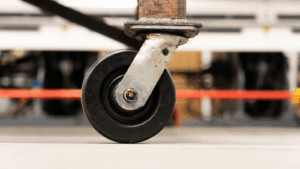
Before each use, inspect the roll container for damage or defects. Check the condition of the wheels and their ability to roll smoothly. Check that the brakes are working properly, so that you can immobilize the container if necessary. Examine the structure for any deformation or cracks.
Correct loading
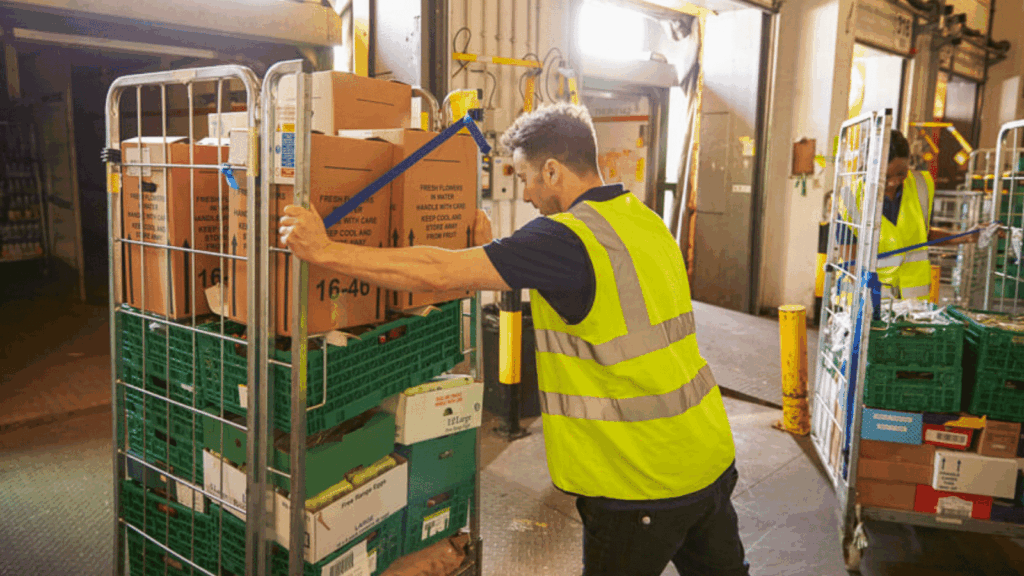
Distribute the weight of goods evenly in the container to avoid any imbalance. Limit loading height to maintain container stability. Use straps or stretch film to secure the load and prevent it from shifting during transport.
Safe handling
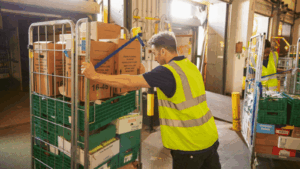
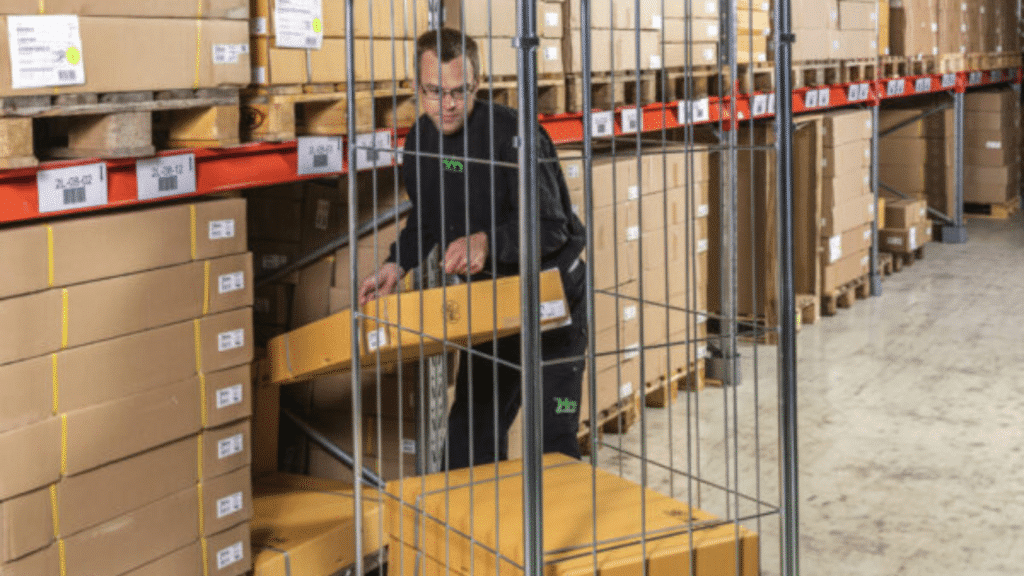
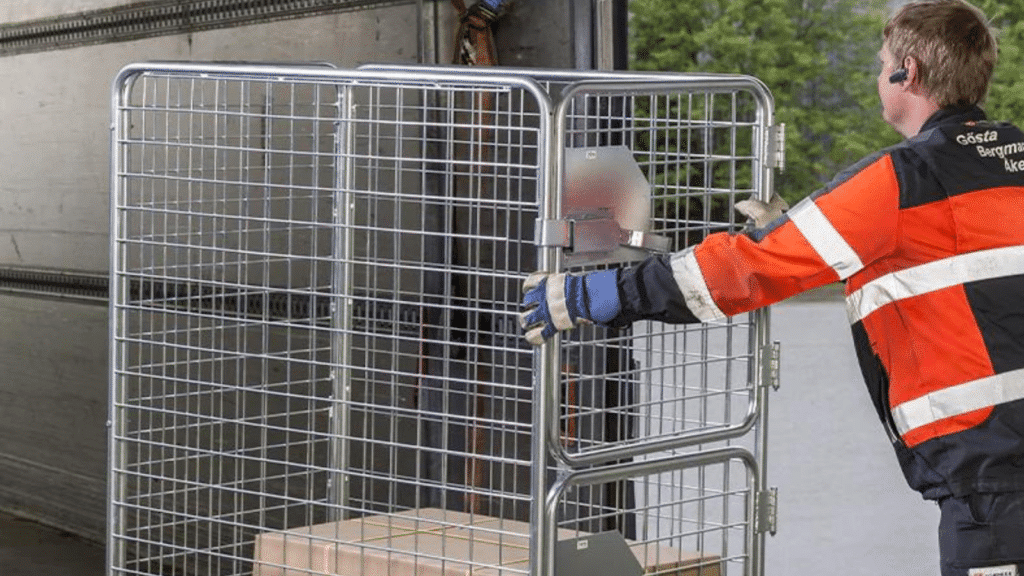
Use appropriate pushing and pulling techniques to move the roll container safely. Avoid sudden movements that could cause tipping. Wear the necessary Personal Protective Equipment (PPE), such as non-slip gloves and safety shoes, to reduce the risk of injury.
Safety training and awareness
Particular attention must be paid to training personnel in the safe use of roll container. This is of crucial importance in reducing the risk of accidents and injuries. Indeed, proper training is an essential lever for making employees aware of the potential dangers associated with this equipment, and familiarizing them with best safety practices. It also helps to establish a safety culture within the organization, where accident prevention becomes a priority for every member of staff.
Training programs need to be comprehensive, covering all aspects of roll container operation, from initial inspection and correct loading, to safe handling techniques and emergency measures in the event of an accident. It is vital to update them regularly to incorporate the latest safety standards and industry best practices. What's more, proactive communication on new developments and procedural changes is essential to constantly maintain staff safety knowledge.
Maintenance and upkeep of roll container
The safety and reliability of roll container depends heavily on regular maintenance planning. Establishing a schedule of periodic inspections is crucial, covering examination of wheels, brakes, structure and fastenings. Assigning clear responsibilities for maintenance and keeping detailed records of work carried out are essential practices.
In the event of failure or damage, it is essential toisolate the roll containerimmediately and assess the extent of the problem. Repairs must be carried out in accordance with established procedures, either in-house or with professional assistance. If the damage is too extensive, or if the roll container has reached the end of its useful life, consider replacing it with new equipment that complies with current safety standards.
To extend the life of your roll container, we offer a repair service from the first year of purchase. Rolls Rapides responds to your maintenance and repair needs, offering one-off formulas or annual follow-up, guaranteeing the performance of your equipment in optimal working conditions.
Case studies and testimonials
Reducing accidents in a distribution center is a crucial objective for ensuring employee safety and improving operational efficiency. The experiences of ManoMano and Super U illustrate the effectiveness of similar strategies to enhance safety when using roll container.
ManoMano, specialized in the sale of DIY, renovation and gardening products, has implemented a comprehensive training program focused on improving safety in the use of its roll container. By focusing on proper loading techniques, safe handling and regular maintenance, the company has succeeded in significantly reducing the number of accidents involving this equipment. As a result, employees have gained a better understanding of the risks involved, and are adopting safer working practices. They promote a safe working environment and increased productivity.
Similarly, Super U, a supermarket chain, has opted for regular training courses on roll container safety for its handling staff. By emphasizing the importance of correct loading, safe handling and proper maintenance, the company has seen a marked reduction in incidents and injuries related to the use of these containers. Employees expressed satisfaction with the attention paid to their safety, and noted an overall improvement in the company's safety culture.
Conclusion
Ensuring the safe use of roll container is essential to prevent accidents and guarantee optimum efficiency in handling operations. By implementing pre-use inspections, proper loading of goods and safe handling practices, we can maintain ongoing compliance with safety standards and protect the health and well-being of workers. By promoting training, awareness and regular maintenance planning, we can create safer, more productive working environments.