
In the field of logistics and materials handling, reducing damage during the transport of goods is a major concern. This preserves product value, ensures customer satisfaction and optimizes operating costs. As versatile mobile platforms, roll container play a crucial role in this quest, offering an efficient solution for safely transporting a variety of goods. This guide will explore practical strategies for minimizing the risk of damage when using roll container.
In a nutshell:
- 🚛 Choosing the right roll container: Selecting a roll container adapted to the specific needs of your goods is crucial to ensuring their safety and integrity during transport.
- 📦 Properly pack goods: Use appropriate packaging materials and safe techniques to protect goods from shock and vibration during transport.
- 🔧 Maintenance and upkeep of roll container: Carry out regular inspections, repairs and appropriate cleaning to prolong the durability of roll container and ensure their smooth operation.
| 🔍 Criterion | 🛠️ Technical details |
|---|---|
| 💪 Load capacity | Supports up to 500 kg |
| 📏 Dimensions | 120 x 80 x 180 cm |
| 🔧 Materials | Steel, wood, plastic |
| 🔒 Safety | Integrated locking systems |
Choosing the right roll container
To ensure the safety and integrity of the goods being transported, the choice of the right roll container is crucial.
roll container types
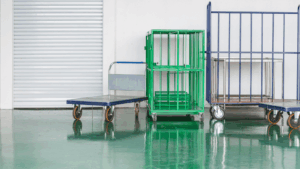
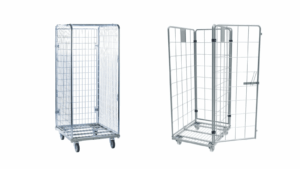
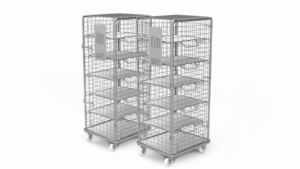
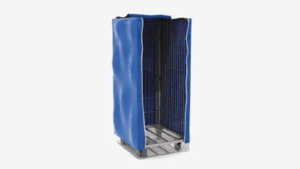
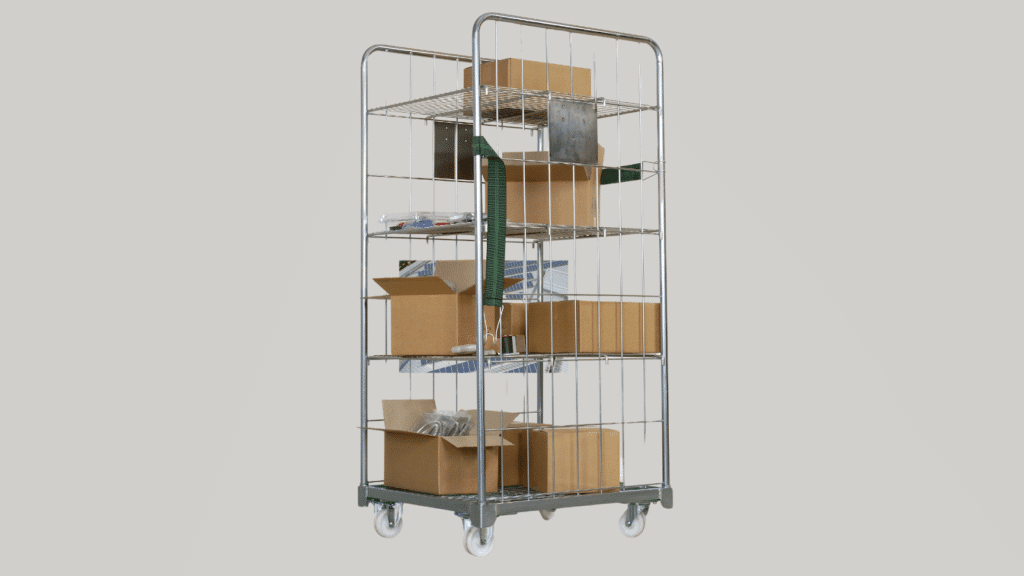
roll container come in several types, each with its own specific characteristics:
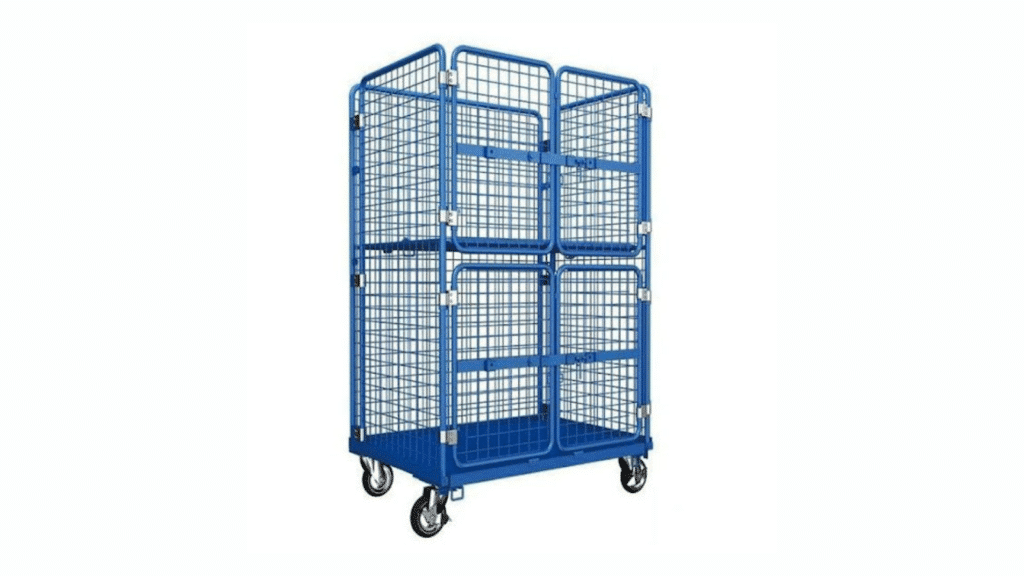
- Standard: Equipped with mesh walls for maximum ventilation and visibility.
- Foldable: Reduces storage space when not in use, ideal for environments where space is limited.
- Secure: Equipped with locking systems to protect valuable goods against theft and unauthorized handling.
- Specialized: Adapted to particular needs, such as transporting fragile products or specific materials.
When choosing a roll container , it's essential to take into account the nature of the goods to be transported, as well as the specific handling and storage conditions.
Selection criteria
When choosing a roll container, consider the following factors:
- Load capacity: Make sure the roll container can safely support the maximum weight.
- Dimensions: Check that the dimensions of the roll container match the storage spaces and passageways where it will be used.
- Materials: Choose between wood (for economy), steel (for strength) and plastic (for durability and lightness).
For light, fragile goods such as textiles, opt for roll container with fine mesh walls to prevent snagging. For heavy, bulky loads, prefer sturdy steel models with wheels suitable for uneven floors. For valuable items, use roll container with locking devices.
Packing goods properly
Proper packaging is essential to protect goods from shock and vibration during transport.
Use appropriate packaging materials
Different types of packaging materials can be used to meet specific needs:
- Stretch film: Ideal for wrapping pallets and holding goods in place.
- Foam and air cushions: Used to protect fragile items from impact and vibration.
- Straps and turnbuckles: To secure goods firmly inside the roll container and prevent them from shifting during transport.
Safe packaging techniques
To ensure safe packing, follow these practical tips:
- Wrap each item individually before placing it in the roll container.
- Fill gaps with dunnage to prevent excessive movement.
- Use shock indicators to detect any rough handling or dropping during transport.
Organize loading and unloading
Efficient organization of loading and unloading helps minimize the risk of damage to goods.
Space optimization
Optimizing space inside roll container is a key step in avoiding overloading and maintaining the stability of goods during transport. Maximizing the use of available space without compromising balanced weight distribution reduces the risk of excessive movements that could damage products. This often involves placing the heaviest items at the bottom of the container to maintain a low, stable center of gravity. At the same time, lighter items can be placed on top to maintain an even load distribution.
Loading and unloading procedures
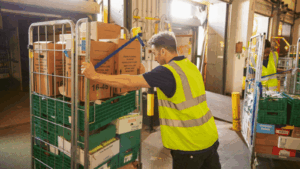
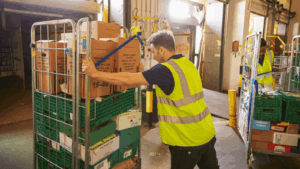
Accidents in warehouses are often due to intensive loading and unloading of goods in roll container, without adequate breaks for employees. High demands sometimes lead to overtime, aimed at optimizing warehouse efficiency.
To ensure safe and efficient loading and unloading of your roll container, follow these recommendations:
- Avoid concentrating all heavy goods on a single roll container; spread them out over several carts.
- Respect the maximum stacking height to ensure good visibility over the load.
- Do not exceed a maximum average load of 500 kg per roll container.
- Use straps and turnbuckles to hold goods in place during transport.
Repeated heavy lifting can lead to muscle pain and injury. It is therefore crucial that employees take regular breaks during their work. This practice helps to maintain workers' health and avoid accidents associated with intensive warehouse work.
Staff training
Investing in staff training is an important preventive measure to reduce the risk of damage during loading and unloading. Employees need to be aware of good handling practices, including the importance of loading goods in a balanced and safe manner. By teaching them how to use handling equipment correctly, and making them aware of the risks associated with improper handling, you can significantly reduce incidents and improve overall operational safety.
Maintenance and upkeep of roll container
To ensure their durability, minimize the risk of accidents and prolong their operational efficiency, follow these key aspects to consider to keep your equipment in good condition:
Regular inspections
Plan regular inspections to check the general condition of roll container. An inspection checklist should include :
- roll container structure: Inspect the integrity of the walls and corners, looking for any deformation or cracks in the frame.
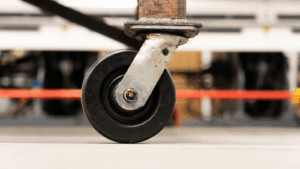
- Wheels and bearings: Check wheels for wear, cracks or deformation, and make sure bearings are well lubricated and working properly.
- Braking system: Test the brakes to make sure they are working efficiently, and examine the braking mechanisms for wear or damage.
- Fasteners: Check the condition of straps, turnbuckles and other fasteners used to secure goods inside the roll container.
- Safety devices: Confirm that wheel locks are working properly, and inspect wall locks if present.
Repairs and replacements
Immediately repair any defects or damage identified during inspections. This may include replacing worn wheels, readjusting brakes, or repairing damaged walls. Ensure that the spare parts used are of the highest quality and conform to the manufacturer's specifications, to maintain the structural integrity and safety of the roll container.
If a roll container is severely damaged or shows signs of irreparable wear, consider replacing it to avoid the risk of accidents and maintain operational efficiency.
Cleaning and storage
Adopt good cleaning practices to keep roll container clean, especially if they are used in sensitive environments such as the food or medical industries. Use specialized industrial cleaners to remove residues and prevent contamination.
When storing roll container, choose suitable locations that are sheltered from the weather and extreme environmental conditions. Make sure they are properly stacked or stored to avoid structural damage or deformation due to mishandling.
Conclusion
Minimizing damage when transporting goods with roll container requires a proactive approach, including appropriate container selection, careful packaging, efficient loading and unloading organization, and regular maintenance. By following these practices, you can improve the safety of your logistics operations, while preserving the integrity of your products and reducing the costs associated with material damage. Invest today in roll container tailored to your specific needs, and train your team in safe handling techniques.
FAQ
How do I choose the right roll container for my goods?
To choose the right roll container, first consider the weight and dimensions of your goods. Opt for a model that can support the total weight while offering sufficient space for the specific dimensions of your products. If you're transporting fragile items, opt for a roll container with reinforced walls or a model specially adapted to your particular needs.
What are the best packaging materials to protect goods in a roll container?
Packaging materials such as stretch film, foam and air cushions are particularly effective in protecting goods against shock and vibration during transport. Stretch film ensures secure fastening, foam offers protection against hard surfaces, and air cushions absorb impacts while maintaining load stability.
What training should employees receive to handle roll container safely?
Employees need to be trained in safe loading techniques, the use of packaging equipment such as straps and turnbuckles, and how to drive and maneuver roll container safely. Regular training in preventive maintenance and the detection of signs of deterioration is also essential to prevent accidents and ensure optimum use of equipment.