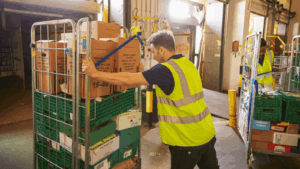
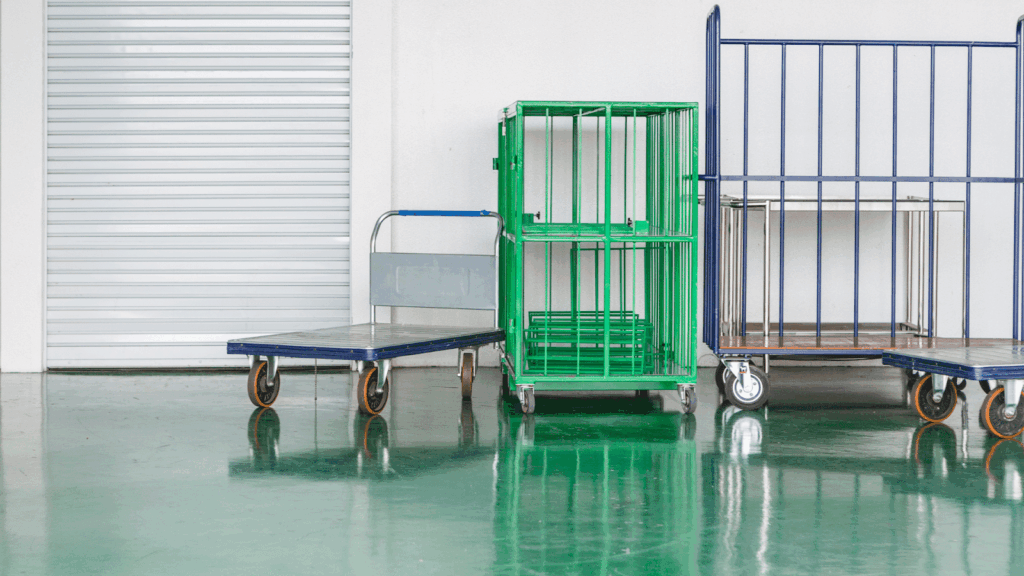
In an environment where competitiveness demands constant optimization of logistics processes, roll containers are proving to be essential tools for modern companies. Not only do they facilitate the transport of goods, they also improve internal management of stocks and workspaces. This article explores roll containers, highlighting their advantages, their various applications and their potential impact on logistics management.
In a nutshell:
- 📦 Optimizing logistics management: Container rollers improve the efficiency of logistics operations by facilitating the transport and storage of goods, while reducing costs and optimizing workspace.
- 🔒 Safety and flexibility: these tools offer enhanced safety thanks to their locking and mesh wall systems, and their versatility means they can meet the specific needs of different business sectors.
- 🔧 Durability and profitability: investing in container rollers ensures long-term durability and profitability, with regular maintenance and appropriate staff training to maximize their efficiency.
| ⚙️ Criteria | 📊 Technical Details |
|---|---|
| 📦 Load capacity | Up to 500 kg |
| 📏 Dimensions | 1200×800 mm |
| 🔧 Materials | Robust steel |
| 🔒 Safety | Mesh walls and locking systems |
What is a roll container container?
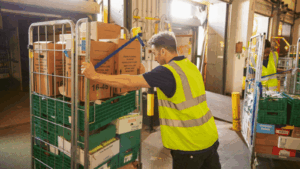
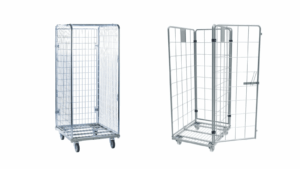
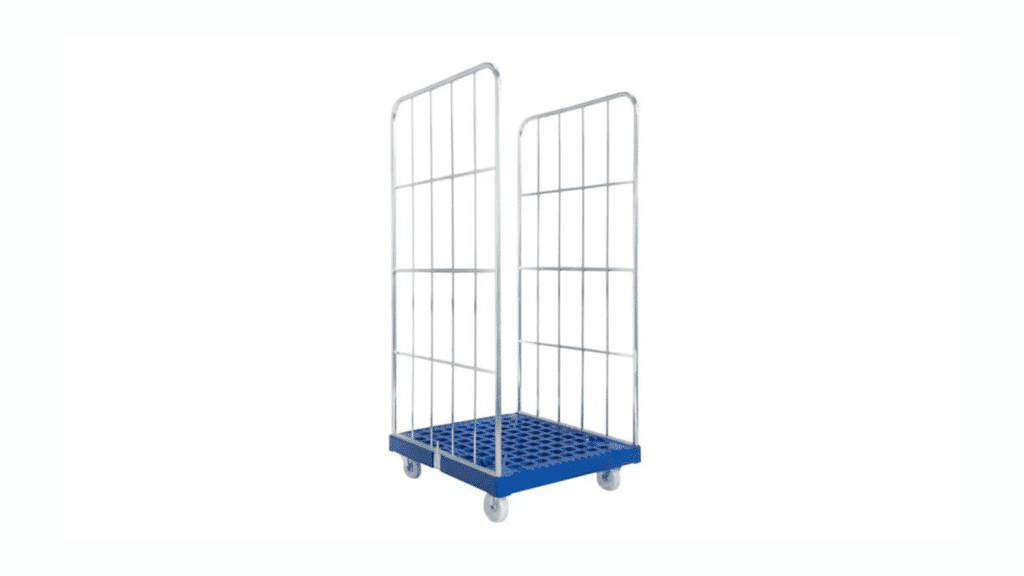
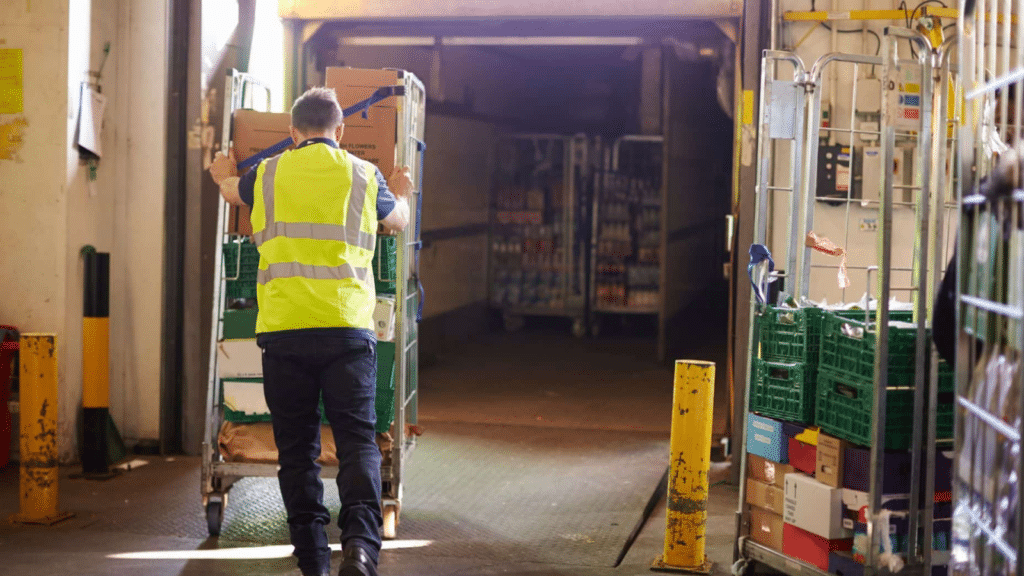
Also known as a roll container or roll container cart, the roll container is a piece of logistical equipment dedicated to the transport and storage of goods. Composed mainly of a metal structure mounted on castors, the roll container can efficiently move heavy or bulky loads through a given space. Equipped with wire walls, adjustable shelves and sturdy swivel castors, it offers a flexible and practical solution for a variety of logistics operations.
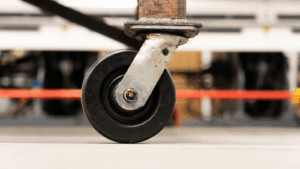
Roll containers have become indispensable in warehouses and stores, thanks to their sturdiness and practicality. Manufactured mainly from steel, this equipment guarantees great durability. Swivel castors, often reinforced, ensure optimum mobility even under heavy loads. Some models incorporate braking systems for added safety when moving.
The different types of container rollers
Several types of container rollers are available to meet different logistics requirements:
- roll container classic: Ideal for basic logistical tasks, this model is often screened and has two to four sides. It facilitates the transport of general goods in warehouses and stores, offering rapid access to products.
- Secureroll container : Equipped with locking systems to protect goods against theft or damage, this type of roll container is ideal for transporting valuable or sensitive products.
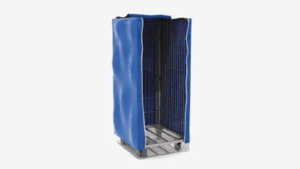
- roll container isothermal container: specially designed for transporting products requiring strict temperature control, it is essential in the food and pharmaceutical industries. Equipped with insulating walls and sometimes cooling systems, they maintain a constant temperature inside.
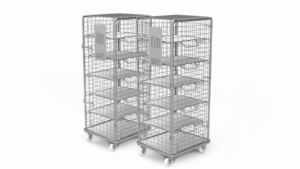
- roll container with shelves: Equipped with multiple shelves, this model is perfect for storing and transporting small items or spare parts. It is ideal for environments where efficient organization of products is crucial.
- roll container Collapsible container These roll containers can be folded to save storage space, making them ideal for companies with space constraints or needing logistical flexibility.
Advantages of roll containers for logistics management
Container roll cages offer many advantages for optimizing logistics management within companies. Their robust, versatile design facilitates goods handling and improves the safety and efficiency of logistics operations.
Improved efficiency
One of the main advantages of container rollers is that they optimize handling time. Thanks to their ergonomic design and mobility, they enable loads to be moved quickly and easily. This reduces the time needed for internal transport tasks. For example, their use in a warehouse can considerably reduce the time required to transfer products from a storage area to a shipping area.
Safety and risk reduction
Rolls containers contribute to the safe handling of loads, minimizing the risk of accidents. Equipped with mesh walls and secure locking systems, they ensure product stability during transport, reducing the risk of falls and damage. What's more, by facilitating the movement of heavy loads, they limit employee physical fatigue and the risk of injuries associated with manual handling.
Flexibility and versatility
Extremely flexible and adaptable, Roll Containers are suitable for a variety of sectors, including distribution, industry and healthcare. Their modularity means they can be configured according to specific needs, with adjustable shelves, removable walls and a variety of dimensions.
Durability and profitability
Investing in container rollers makes economic sense. Their robustness and longevity ensure an optimum return on investment. Compared to other handling solutions, containerized roll cages require less maintenance and have lower operating costs. Their ability to optimize space and improve logistics efficiency means significant long-term savings for companies.
How can you effectively integrate container rolls into your logistics?
To optimally integrate roll containers into your supply chain, it is crucial to follow certain basic steps:
Precise needs assessment
Before integrating roll containers, it's essential to understand your specific needs. Carefully analyze :
- The types of products you handle ;
- The volume of goods to be handled ;
- Existing space constraints;
- Safety requirements.
Select roll containers whose load capacity, dimensions and features are perfectly matched to your operational needs.
Appropriate staff training
To ensure optimum use of roll containers, proper staff training is essential. Your employees need to be trained in the best practices for handling this equipment to maximize both efficiency and safety. This training can include practical demonstrations, theoretical sessions on safety protocols, and hands-on workshops.
Regular maintenance and servicing
Regular maintenance is essential to ensure the longevity and smooth running of your roll containers. Establish a maintenance schedule that includes regular checks on castors, welds and locking systems. Regular cleaning also helps prevent the build-up of dirt and debris that can affect the performance of your roll containers.
Case studies and testimonials
The case of a food distribution company
Patissolys has integrated isothermal roll containers to transport fresh produce. Prior to this integration, the company suffered significant product losses due to temperature fluctuations. Thanks to these roll containers, the company was able to maintain the cold chain. As a result, product losses have been reduced by 30%, and customer satisfaction has improved considerably.
The case of a spare parts company
Fabien Muller, logistics manager for a spare parts company, explains: "In our warehouse, we have adopted roll containers with shelves to optimize our storage space. Before this adoption, the time spent searching for and retrieving parts was a major source of inefficiency. After implementing these rolls, we saw an immediate improvement. Employees can now easily locate and retrieve the parts they need. This has speeded up production processes and reduced errors. What's more, the more efficient organization of the warehouse has freed up space, enabling us to stock more products and improve inventory management."
Conclusion
The integration of roll containers into logistics processes represents a valuable opportunity for companies seeking to improve efficiency, safety and profitability. By choosing container rollers tailored to their specific needs, and ensuring regular maintenance, companies can take full advantage of the benefits offered by this equipment. Combined with appropriate staff training and a rigorous maintenance program, an investment in this equipment can transform your logistics operations and significantly boost your competitiveness in the marketplace.
Need customized roll containers to optimize your supply chain? Rolls Rapide offers customized solutions that perfectly match your logistics requirements. Don't let your operations suffer from poor equipment. Contact us now for expert advice and rapid assistance.
FAQ
What are the main advantages of container rollers?
Roll containers offer many advantages, including improved logistical efficiency, enhanced product safety, flexibility of use, outstanding durability and an excellent cost-benefit ratio. They enable goods to be transported quickly and safely, reduce the risk of accidents and damage, and are suitable for a variety of sectors and product types.
How do I choose the right roll container for my business?
To choose the right roll container , it's essential to assess your specific needs in terms of load capacity, dimensions, type of products handled and space constraints. Consult professionals for personalized advice, and analyze your current handling processes to identify weak points and specific needs.
What is the average lifespan of a roll container ?
The average service life of a roll container varies according to its use and maintenance, but is generally between 5 and 10 years. Proper maintenance and regular inspections can significantly extend the life of your roll containers, maximizing your return on investment.