
The efficient management of goods flows is an essential element in the commercial sector. It is a key factor in the success of any company, large or small. Controlling these flows is essential to meeting customer demand, avoiding shortages and reducing costs. The use of a well-designed stock sheet is therefore essential. In this article, we'll look at the importance of this tool, its implementation and its role in the optimal monitoring of goods flows.
In a nutshell:
- 📊 Importance of goods flows: Goods flows are crucial to a company's success. Effective management enables demand to be met, shortages to be avoided and costs to be reduced.
- 📋 Role of the stock sheet: The stock sheet is essential for monitoring stock levels, avoiding overstocking or shortages, and ensuring traceability of goods movements.
- 🛠️ Strategic use: A well-maintained stock sheet helps to optimize the flow of goods, plan purchases and sales, and make informed decisions for company growth.
| 🔍 Appearance | 📊 Detail |
|---|---|
| 📦 Minimum stock | Minimum quantity to avoid breakage |
| 📈 Maximum stock | Maximum threshold influenced by space and finances |
| 🔢 Theoretical stock | Based on forecasts and historical data |
| 📌 Actual stock | Actual quantity present, verified by inventory |
The value of goods flows
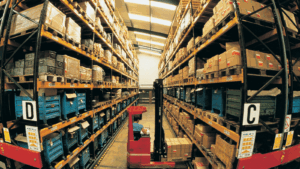
Before tackling the stock sheet, it's crucial to understand the importance of goods flows within a company. These flows refer to the movement of products through the structure, from their receipt in the warehouse to their distribution to end customers. Their complexity varies according to various parameters , such as the nature of the business, the volume of goods handled and the handling methods employed.
In a warehousing context, these flows are of vital importance, as storage is often temporary. Every goods receipt must be followed by a goods issue to meet demand. This makes it imperative to monitor these flows closely, in order to optimize operational efficiency and minimize costs.
Rolls Rapide offers a simplified management solution with its handling rolls, which facilitate the safe and efficient movement and organization of goods. These rolls optimize the fluidity of logistics operations, reduce handling times and promote agile, high-performance management of goods flows.

The stock sheet: a pillar of inventory management
The stock sheet is a fundamental element in a company's inventory management. It takes the form of a detailed register of goods movements, meticulously recording every stock entry and withdrawal.
This sheet enables close monitoring of available stock levels, helping to avoid overstocking or stock-outs. It also ensures precise traceability of all stock movements. This is crucial in the event of a quality problem or product recall, enabling the batches concerned to be quickly located and the necessary measures taken.
The stock sheet plays a vital role in inventory management for a number of reasons: it makes it easier to determine the quantities of products available at any given time. It also simplifies the planning of future purchases and sales, and enables the average unit cost of products to be calculated. By keeping this sheet up to date, companies can observe the evolution of their inventories over time, identify consumer trends and make informed strategic decisions.
The indispensability of the stock sheet for your business
The stock card is more than just an administrative tool: it's an essential strategic management tool. Let's explore why its use is so important:
Inventory management
The first crucial function of the stock sheet is the precise management of available stock levels. By keeping it up to date, you avoid overstocking, freeing up funds tied up in superfluous products, while minimizing the risk of stock-outs. This ensures that your company has the quantities it needs to meet demand.
Monitoring inventory trends
By keeping an up-to-date stock sheet, you can track the evolution of inventory over time. This enables you to spot consumer trends, anticipate changes in demand and make strategic decisions accordingly. Whether you run a small boutique or a chain of stores, understanding how your inventory is evolving gives you a competitive edge.
Determining quantities and final stock
A well-maintained stock sheet enables you to accurately determine the quantities of products available at any given time. This information is essential for planning future purchases, sales and production. It also enables you to calculate ending inventory, helping you to make informed decisions for the future of your business.
Calculation of average unit cost
By recording inventory receipts and issues, you can calculate the average unit cost of products. This information is crucial for assessing product profitability and making informed financial decisions. An accurate stock record also facilitates the preparation of the income statement, providing a clear overview of your company's financial health.
Information and traceability
The stock sheet provides precise traceability of all stock movements, which is crucial for product traceability. In the event of a quality problem or product recall, a well-maintained stock sheet enables you to quickly locate the batches concerned and take the necessary action. It also helps monitor receivables and manage liquidity by keeping an up-to-date aged trial balance of stock and sales data.
Stock levels
For efficient inventory management, it is essential to master the different stock levels:
- Minimum stock: This represents the minimum quantity of products or raw materials that your company must keep on hand at all times to avoid supply shortages.
- Maximum stock: This is the maximum amount of products or raw materials your company can hold at any given time. This figure is influenced by various factors, such as available storage space and financial constraints.
- Theoretical stock: Calculated on the basis of demand forecasts and historical data, this stock level serves as a reference for optimal reserve planning.
- Actual stock: This reflects the quantity actually present in your warehouses or facilities at a given time, established through regular physical inventories.
By monitoring and understanding these different levels, you can effectively adjust your inventory management. The aim is to meet demand while minimizing the costs associated with holding inventory.
How can you use the stock sheet to optimize your goods flows?
Now that we've looked at the importance of the stock sheet, let's see how you can use it to optimize your flow of goods:
- Regular stock monitoring: To maximize the performance of your products and optimize your replenishment processes, in-depth knowledge of your inventory is essential. Carry out regular inventories to maintain a clear view of your stock levels.
- Storage area organization: Efficient organization makes it much easier to manage the flow of goods. Structure and label your storage area for quick retrieval and to reduce unnecessary movement.
- Implement best practices: Establish rules and practices to optimize goods flow management. This may involve the use of real-time tracking systems, dashboards to monitor stock levels, and staff training to ensure efficient use of storage space.
- Developing supplier relationships: Suppliers play a crucial role in your supply chain. Cultivate trusting relationships to guarantee reliable, on-time deliveries, ensuring optimal stock levels and efficient response to customer demand.
Conclusion
The stock sheet is an indispensable tool for any entrepreneur concerned about the financial and operational health of his business. By meticulously scrutinizing your flow of goods through a well-maintained stock sheet, you can optimize inventory management, anticipate future needs and make informed decisions to ensure the growth and success of your business. Don't underestimate the power of that simple sheet of paper or digital document. It's your compass in the ocean of commerce, pointing you towards prosperity and success.